
If you are building a custom rock crawler, upgrading to 1-ton steering, or dialing in a 4-link suspension, you know that your rig is only as strong as its weakest link. In the world of extreme off-roading, suspension and steering components take a beating that factory parts simply can't handle. This is where the heavy-duty 1.25 inch heim joint becomes a non-negotiable part of your fabrication list.
Whether you are swapping axles on a Super Duty or designing a custom suspension for a mega truck, selecting the right rod end bearing is critical for safety and performance. This guide breaks down everything you need to know about heavy-duty 1.25" x 1" chromoly heim joints—from load ratings to maintenance—so you can build with confidence.
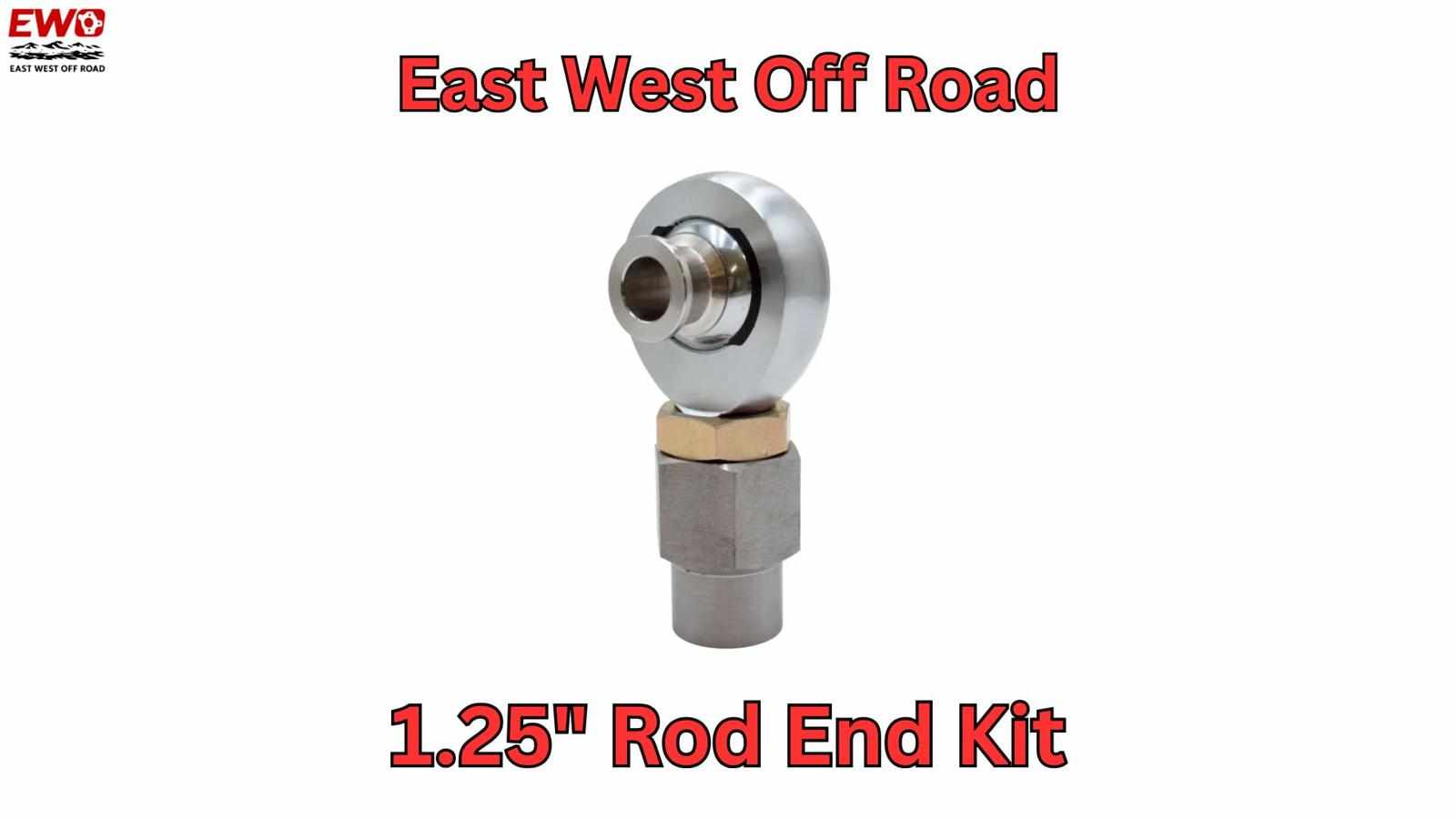
What Is a 1.25 Inch Heim Joint and Why It’s Used in Off-Road Builds
A heim joint, technically known as a rod end bearing, is a mechanical articulating joint used on the ends of control rods, steering links, and other suspension components. Unlike a standard rubber bushing that restricts movement, a heim joint allows for a high degree of misalignment. This articulation is crucial for off-road vehicles that need suspension travel to climb over rocks, ruts, and obstacles without binding.
The 1.25 inch heim joint represents the upper echelon of strength in the off-road world. While smaller joints (like 3/4 or 7/8 inch) are common for lighter vehicles, the 1.25-inch size is the go-to standard for full-size trucks, rock bouncers, and hardcore rock crawlers. When you are running 40-inch tires or larger, the forces applied to your steering and suspension links are massive. A standard tie rod end often can't cope with the stress, leading to catastrophic failure on the trail.
Fabricators choose the 1.25 x 1 rod end because it offers a massive shank for structural integrity while providing smooth articulation. It is the foundation of a suspension system that can handle abuse while keeping your axles located precisely where they need to be.
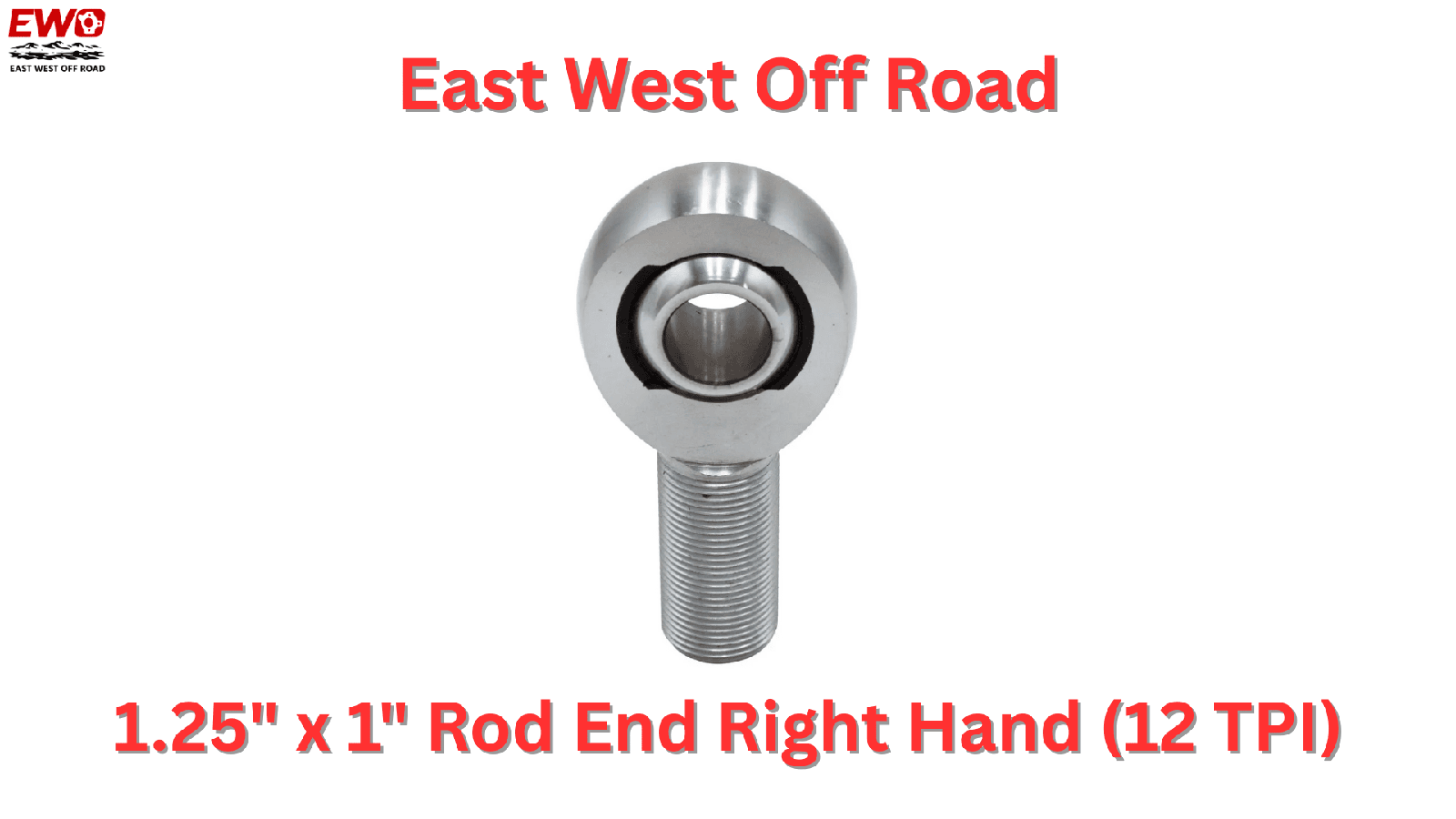
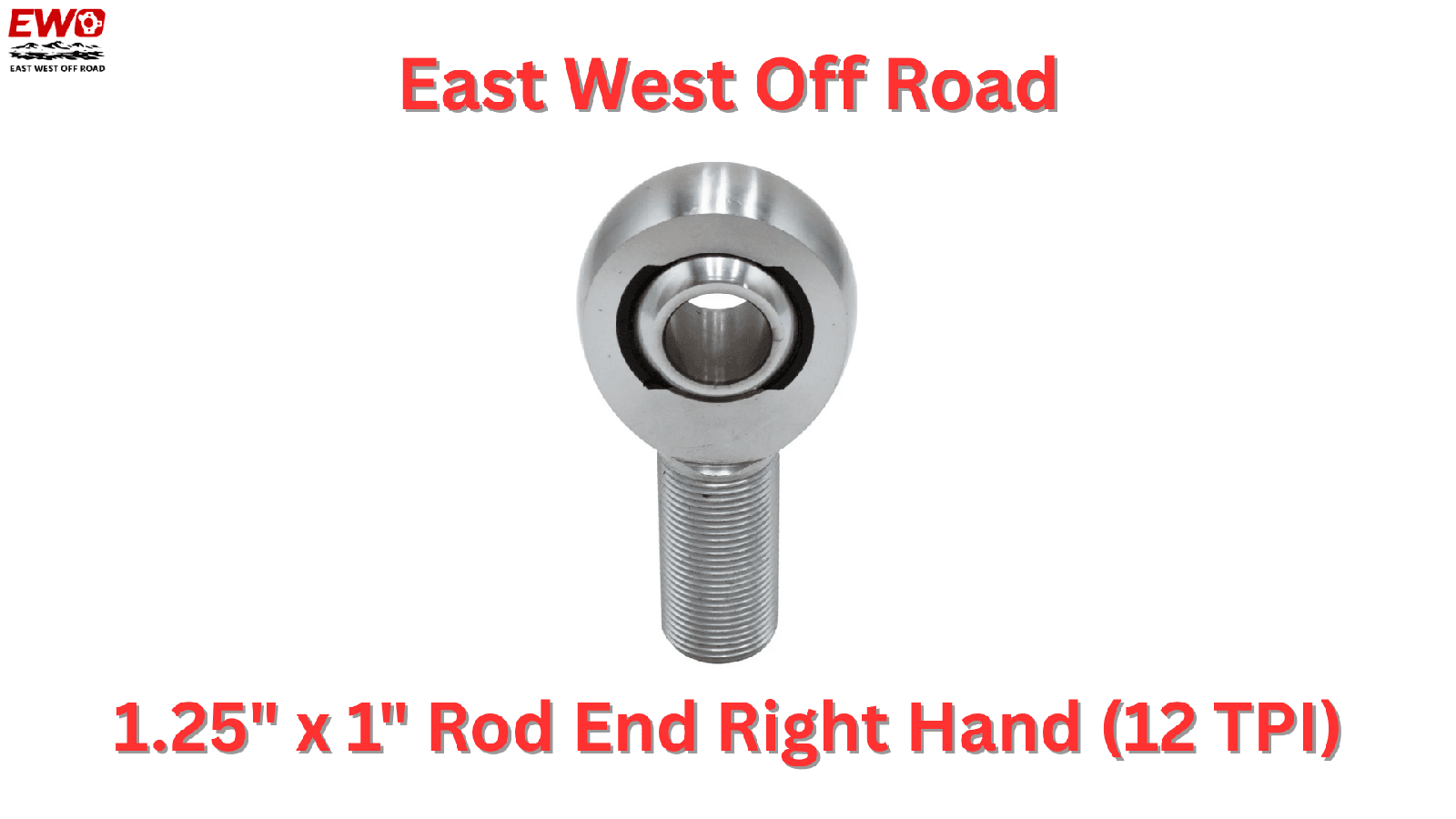
Key Specifications of a 1.25" x 1" Right-Hand Heim Joint (12 TPI)
Not all rod ends are created equal. When you are shopping for a 1.25-12 right hand thread joint, the materials and engineering specs determine whether it will last for years or fail on your first trip. Here is a breakdown of the specs found on premium options like the 1.25" x 1" Rod End Right Hand (12 TPI).
76,200 lb Static Load Rating
This number is the headline feature for a reason. The radial static load rating represents the amount of force the joint can withstand before deformation occurs. A 76,200 lb static load rod end is incredibly strong. To put that in perspective, that is enough strength to support the weight of multiple heavy-duty trucks hanging from a single joint. In dynamic off-road situations—like landing a jump or slamming a tire into a rock ledge—shock loads spike rapidly. This massive safety margin ensures the joint won't snap under pressure.
1 Inch Bore Strength Advantage
This specific joint features a 1.25-inch shank with a 1.25 heim joint 1 inch bore. The 1-inch bore allows for the use of massive Grade 8 or fine-thread bolts (typically 1 inch or reduced to 3/4 inch with spacers). A larger bore distributes the load over a wider surface area, reducing the chance of the bolt shearing or the mounting bracket ovaling out.
Chromoly Heat Treatment
Standard steel is fine for street cars, but off-road rigs demand chromoly rod end 1.25 construction. The body is typically made from 4130 or 4340 chromoly steel. "Heat treated" means the metal has undergone a thermal process to increase its hardness and tensile strength. This makes the housing resistant to bending and stretching, which is vital when you are pushing a heavy tire against a rock.
52100 Steel Bearing
The ball inside the joint is just as important as the housing. High-quality joints use 52100 steel bearing material for the ball. This is a high-carbon chromium alloy known for its hardness and resistance to wear. It is precision-ground to ensure smooth operation within the race, minimizing slop and play in your steering or suspension.
Teflon-Lined Race Benefits
You will often see teflon lined heim joint 1.25 listed as a feature. The liner sits between the ball and the outer race. This Teflon (PTFE) liner acts as a self-lubricating barrier. It keeps dirt out, reduces friction, and creates a tight, smooth fit. Unlike metal-on-metal joints that can squeak and wear out quickly, a Teflon-lined joint provides a longer service life and requires less maintenance, making it a trusted option for serious off-road setups.
Why Heat-Treated Chromoly Heim Joints Outperform Standard Rod Ends
Why spend the extra money on a heat treated chromoly rod end? The answer lies in the molecular structure of the metal.
Standard mild steel rod ends are softer. Under the heavy cyclic loads of a suspension system (the constant up and down movement), mild steel can fatigue. Eventually, the threaded shank might stretch or snap, or the housing might deform, allowing the ball to pop out.
Chromoly is an alloy steel containing chromium and molybdenum. These elements significantly increase the strength-to-weight ratio. When you add heat treatment to the mix, you get a component that is incredibly tough. It can absorb the shock of a rock impact without bending.
For applications like a heavy duty 1 ton steering kit or a 4-link system where the safety of the vehicle depends on the link holding together, the superior yield strength of a chromoly heim joint vs standard steel is essential. It is the difference between driving home and needing a trail recovery.
Common Applications for Heavy-Duty 1.25 Heim Joints
The 1.25 heim joint kit is incredibly versatile. Because of its massive load rating and size, it is used in the most demanding spots on a vehicle.
Rock Crawlers
In rock crawling, suspension links drag over granite ledges constantly. A 1.25 rod end suspension link is thick enough to withstand direct impacts. The high articulation allows axles to flex fully, keeping tires on the ground for traction.
Dana 60 Crossover Steering
When swapping a Dana 60 axle into a truck, the factory steering geometry often doesn't work. Builders use these joints to create custom drag links and tie rods for Dana 60 crossover steering parts. The joint handles the push-pull forces of turning massive tires easily.
1-Ton Steering Kits
Factory steering on trucks like Jeeps or older pickups often bends under the stress of 37-inch+ tires. Upgrading to a heavy duty 1 ton steering kit utilizing 1.25-inch heims eliminates the flex in the steering system, giving you a tighter, more responsive feel on the trail.
4-Link Suspension Systems
Custom 4 link suspension parts require joints that can handle both the weight of the vehicle and the torque of the axle twisting. The 1.25 spherical rod end is the standard for lower links in 4-link setups because it takes the brunt of the abuse.
Track Bars
The track bar centers the axle under the vehicle. If this bar fails, the axle shifts sideways, causing loss of control. An adjustable track bar heim joint using a 1.25-inch shank offers the rigidity needed to prevent "death wobble" and keep the axle planted.
High Steer Kits
For lifted trucks, getting the steering drag link flat is important for handling. Chevy K30 high steer kit setups and similar conversions move the tie rod up above the leaf springs or knuckles, often utilizing these robust rod ends for clearance and strength.
Axle Swaps
Ford Super Duty axle swap steering is a popular modification for older trucks and Jeeps. These axles are wide and heavy. Adapting the steering to a narrower frame almost always requires custom links made with 1.25-inch rod ends.
Racing & Mega Truck Suspension
In mega truck suspension parts and desert racing, speed adds another layer of stress. The impact forces are violent. A 76,200 lb static load rod end provides the necessary insurance policy against the brutal forces of high-speed impacts.
1.25 Heim Joint vs Tie Rod End – Which One Should You Choose?
This is a classic debate: 1.25 heim joint vs tie rod end.
Traditional automotive tie rod ends are sealed and greasable. They are great for street vehicles because they are protected from road salt and grit, and they generally last a long time in mild conditions. However, they have a limited range of motion. If you flex your suspension too far, a tie rod end can bind and snap.
Heim joints, specifically the 1.25 inch rod end bearing heavy duty version, offer significantly more misalignment (articulation). They are stronger than almost any factory tie rod end. The trade-off is that they are open to the elements (though boots are available) and can transfer more road vibration to the steering wheel because there is no rubber cushion.
The verdict: If you are building a dedicated off-road rig, a rock crawler, or a truck with massive lift and tires, the heim joint is the superior choice for strength and articulation. It is an ideal choice for builders who need reliability where factory parts fail.
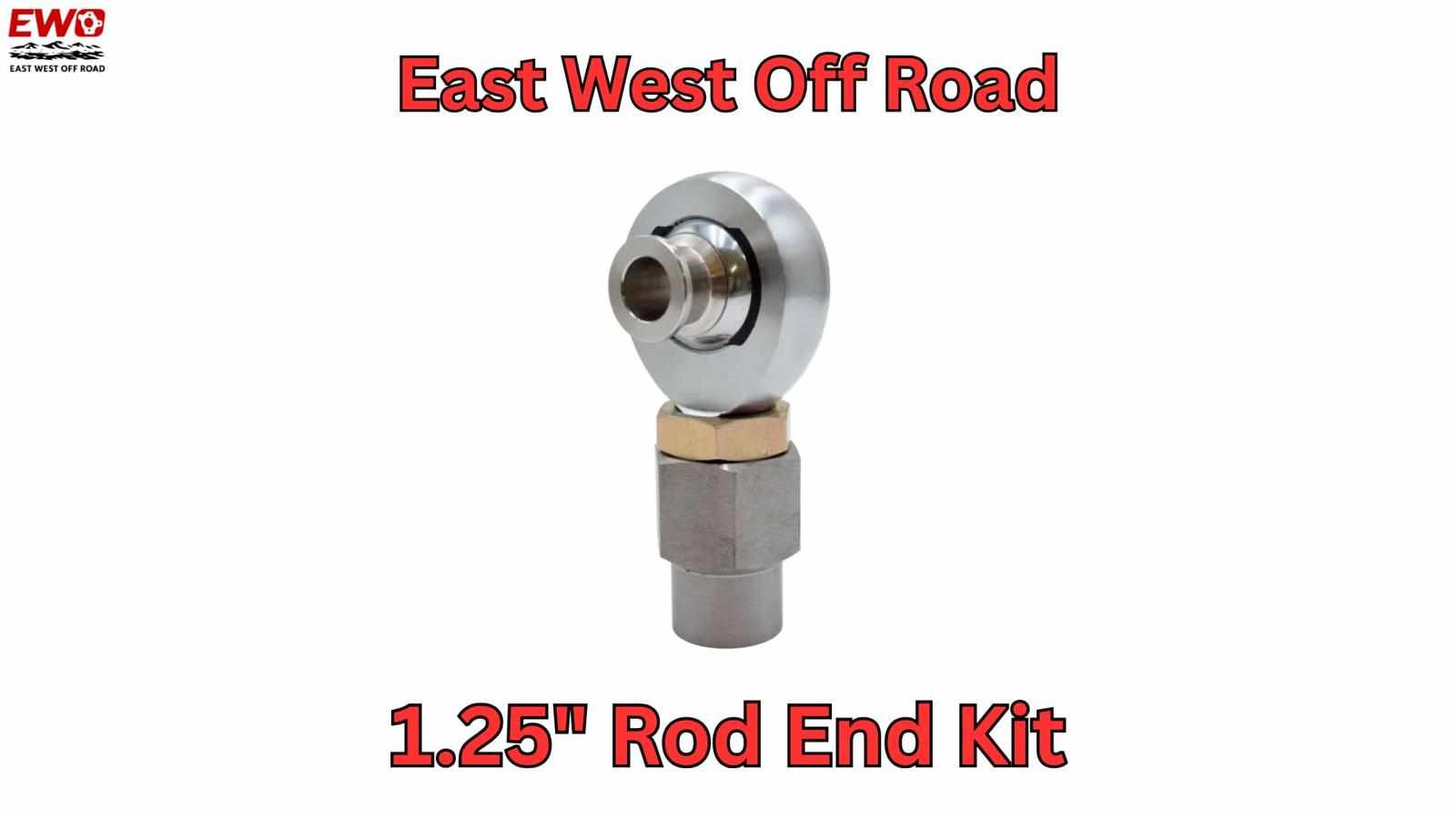
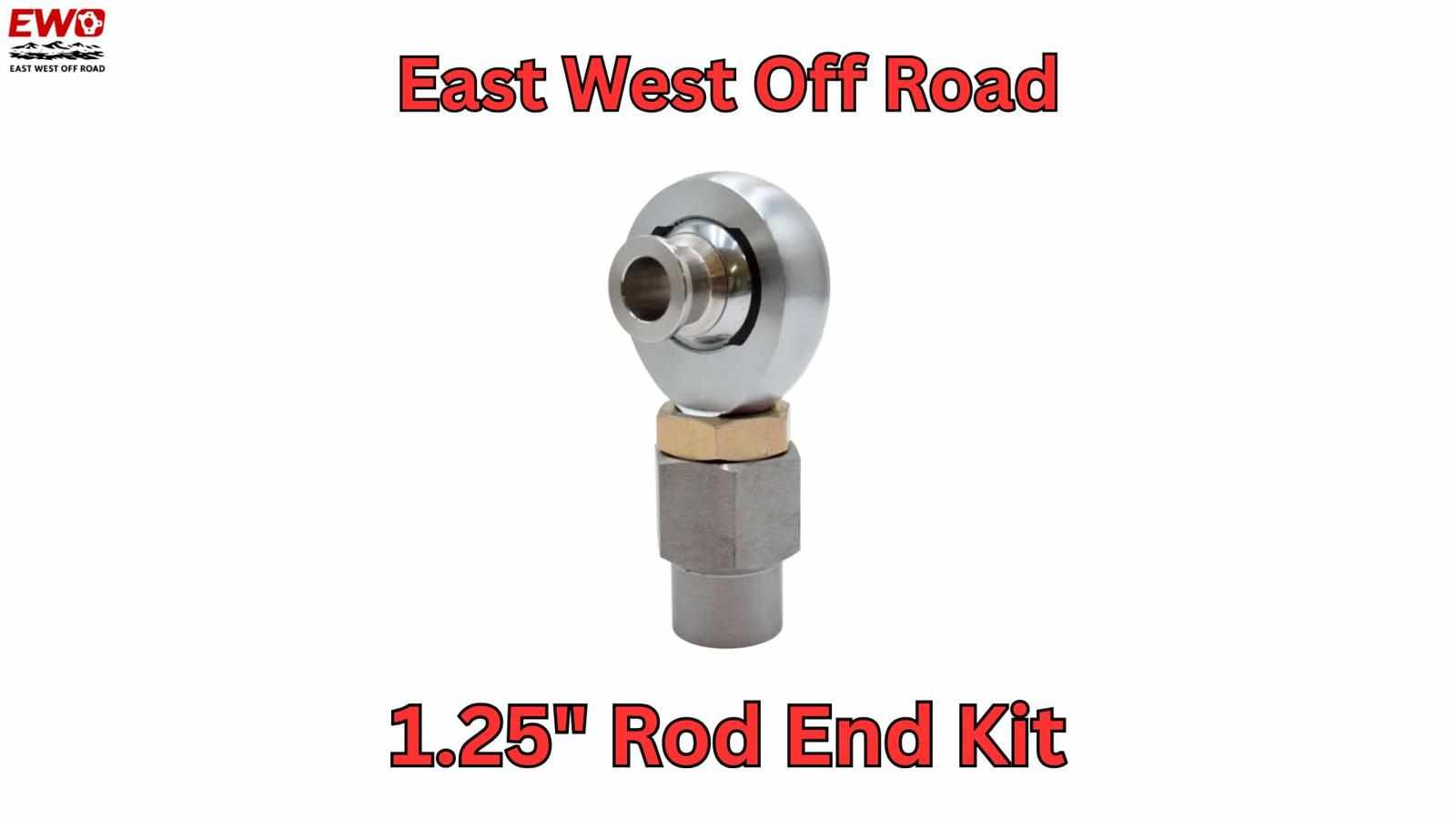
How to Choose the Right Jam Nuts, Tube Adapters & Spacers for a 1.25 Heim Joint
You cannot install a heim joint by itself; you need the supporting hardware.
Jam Nuts:
You absolutely need a 1.25 heim joint jam nut to lock the joint in place against the tube adapter. Without it, the joint will vibrate loose, ruining the threads. Make sure you match the thread direction. For a right-hand joint, you need a 1.25-12 jam nut right hand.
Tube Adapters:
The 1.25 heim joint tube adapter (or bung) is what you weld into your suspension tubing. These must be matched to the ID (inner diameter) of your tubing and the thread pitch of your heim (12 TPI). For heavy-duty links, builders often use 2-inch OD DOM tubing with a thick wall, requiring an appropriately sized adapter.
Misalignment Spacers:
1.25 heim joint spacers (high misalignment spacers) are critical. They insert into the bore of the heim joint and reduce the hole size (usually to 3/4" or 5/8" bolt size) while allowing the ball to rotate further before the housing hits the mounting bracket. This maximizes your suspension travel.
Maintenance Tips for Long-Lasting Heim Joint Performance
While a teflon lined heim joint 1.25 is "self-lubricating," that doesn't mean it's maintenance-free, especially in muddy or dusty environments.
Keep them clean: After a run in the mud or sand, wash the joints out with water. Grit acts like sandpaper on the Teflon liner.
Lubrication: If the joint starts to squeak, do not use grease. Grease attracts dirt, which grinds out the liner. Instead, use a dry film lubricant or a light PTFE-based oil like Tri-Flow.
Avoid WD-40: Do not use standard WD-40 as a lubricant. It attracts dust and can actually wash away the existing lubrication in the liner, shortening the life of the joint.
Regular Inspection: Check for play. If you feel a "clunk" in your steering or suspension, check your rod end bearings for steering wear. If the ball is loose in the race, it's time to replace it.
Why Buy USA-Made Heim Joints from East West Offroad
When you are hurtling down a trail or driving on the highway with a modified suspension, you need to trust your components. Cheap, imported, no-name rod ends often use inferior steel and loose manufacturing tolerances. They might claim high load ratings, but real-world testing often proves otherwise.
At East West Offroad, we specialize in off road fabrication hard parts. Our 1.25" x 1" Rod End Right Hand (12 TPI) is sourced to meet rigorous quality control standards. We understand the specific needs of the off-road community because we build and wheel ourselves.
Buying from East West Offroad means you are getting:
Consistent Quality: Heat treatment and material specs you can rely on.
Expert Support: We know what fits your Dana 60 or 4-link setup.
Inventory Availability: We keep replacement heim joints for lift kits and custom builds in stock.
This joint is a designed for those upgrading their suspension or steering who don't want to do the job twice.
Buying Guide – Is This 1.25" x 1" Right-Hand Heim Joint Right for Your Build?
Before you click "Add to Cart," verify your setup.
Check Your Threads: This is a 1.25-12 right hand thread joint. Ensure your tube adapter matches. Most tie rods and links use one right-hand and one left-hand joint to allow for adjustment on the vehicle.
Measure Your Bore: Do you have 1-inch bolts, or will you need spacers to step down to a smaller bolt size?
Assess Your Application: Are you building a heavy-duty truck, rock crawler, or buggy? If so, this is the correct size class for you.
If you are ready to fabricate a suspension or steering system that is bomb-proof, don't settle for weaker components. The 1.25 inch heim joint is the industry standard for extreme durability.
Ready to start your build? Get your heavy-duty 1.25" x 1" Rod End Right Hand (12 TPI) today and build it right the first time.
FAQ SECTION
What does 76,200 lb static load mean in real-world off-road use?
In the real world, this means the joint has a massive safety factor. While your vehicle might only weigh 5,000 lbs, the force exerted on a suspension link when hitting a rock at speed can spike to tens of thousands of pounds instantly. A 76,200 lb rating ensures the joint absorbs this shock without snapping or deforming, keeping your suspension intact during hard impacts.
Are 1.25 heim joints good for daily-driven off-road trucks?
Yes, they can be used on daily drivers, but they require more attention than rubber bushings. Because there is no rubber to dampen vibrations, you may feel more road texture in the steering wheel. However, for lifted trucks with large tires, the added strength and safety of a 1.25-12 chromoly heim joint often outweigh the slight increase in vibration.
What vehicles use 1.25-12 right-hand heim joints?
These joints are commonly found on heavy-duty custom builds. This includes 1-ton trucks (Ford F350, Dodge Ram 3500) with aftermarket steering, Jeep Wranglers (JK, JL, Gladiator) with 1-ton axle swaps, rock bouncers, Ultra4 race cars, and mega trucks. They are the standard for any vehicle running 37-inch to 44-inch+ tires.
Can this heim joint be used in steering and suspension?
Absolutely. The 1.25 x 1 rod end is versatile enough for both. It is frequently used for lower control arms in 4-link suspensions due to its high load rating. Simultaneously, it is the preferred choice for drag links and tie rods in heavy-duty steering systems because it can handle the push-pull force of hydraulic assist rams.
How often should a teflon-lined heim joint be lubricated?
Teflon-lined joints are technically self-lubricating and do not require grease. In fact, greasing them can attract dirt that ruins the liner. You should clean them after every off-road trip. If they begin to squeak or feel stiff, a light application of a dry PTFE lubricant (like Tri-Flow) can help, but they generally run dry to prevent grit accumulation.
Is a chromoly heim joint better than a standard steel rod end?
Yes. A chromoly heat treated rod end offers significantly higher tensile strength and resistance to bending compared to standard mild steel. For off-road applications where parts are subjected to high stress, impact, and fatigue, chromoly is the superior material choice to prevent catastrophic failure.

Write a comment ...